Single Nobel implant
One missing tooth, replaced without touching the teeth beside it
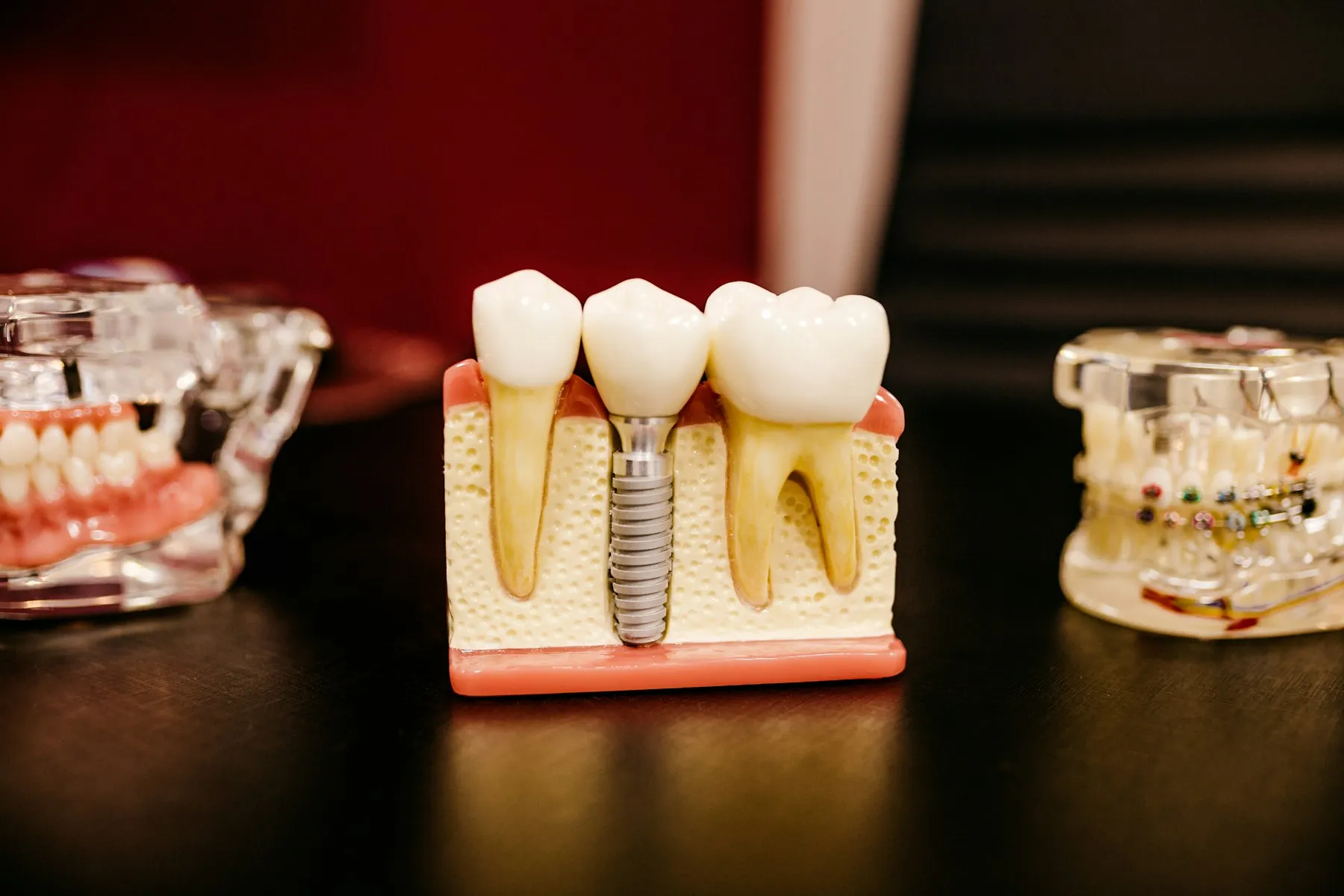
A single implant replaces one missing tooth with a titanium fixture in the jaw and a crown on top. Its main advantage over a conventional bridge is what it does not do: it leaves the neighbouring teeth untouched, where a bridge requires them to be cut down to carry the replacement. The treatment usually runs across two stages separated by a healing period, though the sequence varies with the site and the bone.
How the treatment runs
-
Assessment and planning
Clinical examination, radiographs and usually a CBCT scan to measure the bone available.
-
Implant placement
The implant is placed under local anaesthetic. A temporary solution covers the gap where needed.
-
Healing
The bone integrates with the implant surface. The length of this period depends on the site and the bone.
-
Abutment and crown
An abutment is fitted and the final crown made to match the neighbouring teeth.
Alternatives you should know about
- No treatment, accepting the gap and monitoring the neighbouring teeth
- A conventional bridge supported by the teeth either side, which must be prepared
- A removable partial denture
- Delaying implant treatment while the site heals or is augmented
Why not simply bridge the gap
A conventional bridge spans a gap by resting on the teeth either side. To carry it, those teeth are cut down — healthy enamel removed from teeth that had nothing wrong with them. That is a real cost, and it is permanent.
An implant avoids it. The replacement stands on its own in the bone where the root used to be, and the neighbouring teeth are left exactly as they are. Where those neighbours are already heavily filled or crowned, the argument weakens; a bridge may then make good use of teeth that need restoring anyway. Where they are sound, the implant is usually the more conservative choice.
What decides how long it takes
The honest answer is: the bone. An implant needs to fuse with the bone around it before it can carry a chewing load, and how quickly that happens depends on bone density, the size of the site, whether grafting was needed and how the individual heals.
Some sites allow a temporary tooth soon after placement. Others do not, and the safer sequence is to let the implant heal undisturbed. A clinic that quotes the same timeline to everyone before seeing an image of their jaw is quoting an average, not a plan.
Getting a plan for your own case
Send a recent panoramic radiograph or CBCT scan with a photograph of the gap and a note on what you would like to achieve. The clinical team at Taki Dent can review it and prepare a preliminary outline — the likely approach, the number of visits and a cost range. A final plan is confirmed after clinical examination and radiological assessment at the clinic.